Kartika Masam holds a special place in Hindu tradition. It is considered one of the most auspicious months for worshipping Lord Shiva. Mondays during this month are particularly sacred, and Kartika Pournami is celebrated with great devotion. Temples and homes glow with the light of countless Diyas, symbolizing faith, positivity and the presence of the Divine.
But amidst all these beautiful traditions, I witnessed something that left me deeply disturbed and made me reflect on a question that I believe we should all ask ourselves.
Are we truly understanding the essence of our rituals, or are we simply following them without understanding why we perform them?
When a Ritual Contradicts Its Own Purpose
On Kartika Pournami, I visited a temple with a simple intention: to have Darshan of Lord Shiva and experience the positive energy and peace that come with being in His presence.
I noticed many devotees lighting large Diyas, some containing hundreds of wicks, as part of the Kartika Masam tradition. Such lamps are also lit in homes, temples and near Tulasi Mata.
There is nothing wrong with this practice. Lighting a Diya is a beautiful expression of devotion.
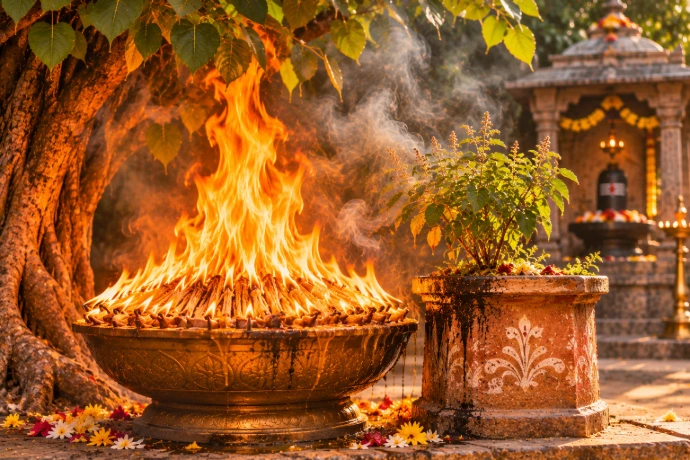
However, what I witnessed at the temple made me question whether we sometimes become so focused on performing a ritual that we forget the very reason behind it.
Beside Tulasi Mata was a sacred Raavi Chettu (Peepal tree). Both are revered in our traditions and considered divine. The Tulasi plant was placed on an elevated stone structure, apparently to protect it from direct heat.
Yet, some devotees had placed enormous burning Diyas right next to the Tulasi pot, on the very stone structure meant to keep the plant safe.
The heat was intense. The pot had turned black from the smoke, and smoke was continuously reaching the Tulasi plant. Oil from the large lamp was almost touching it.
I stood there feeling deeply sad.
We light Diyas near Tulasi Mata because we consider her divine. We light them near sacred trees because we believe they hold spiritual significance. But if our actions are causing them harm, aren't we contradicting the very belief that brought us there?
If the purpose of lighting a Diya is to honor the Divine, how can we overlook the harm being caused to another form of the Divine right beside it?
Are We Following Traditions Without Understanding Them?
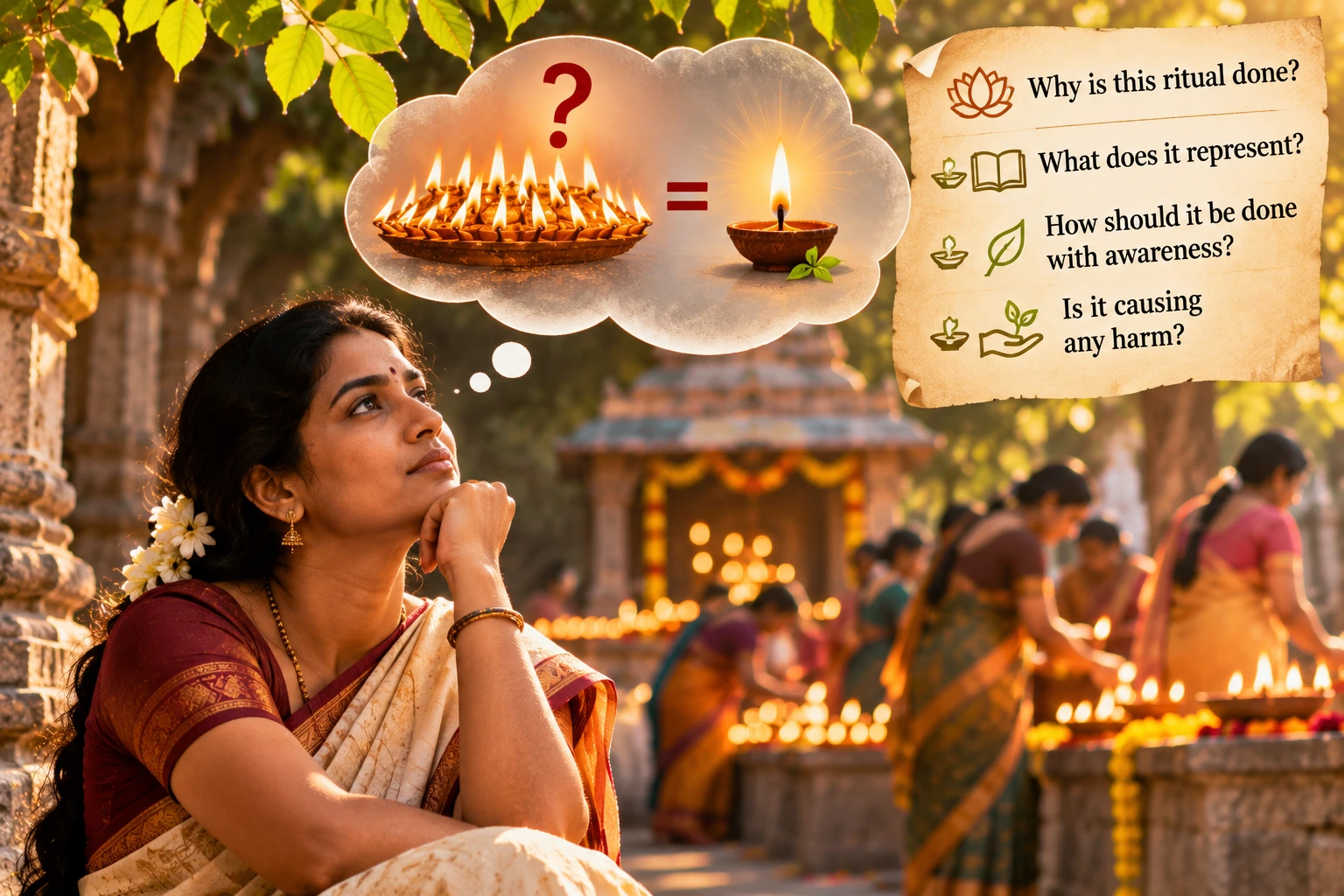
Our elders have passed down many beautiful traditions and practices. They carry generations of faith, experience and spiritual wisdom.
But following a tradition should not mean switching off our ability to think.
We should understand why a particular ritual is performed, what it represents and how it should be performed responsibly.
Are we thinking about where we place the lamp? Are we considering the heat, smoke and oil? Are we making sure that our actions do not damage the very plants and trees we consider sacred?
Or are we simply concerned about completing the ritual?
I noticed that people were lighting their Diyas and moving on, seemingly satisfied that they had fulfilled their religious obligation. Very little attention was being paid to what was happening around those lamps.
This made me wonder whether the act of performing the ritual has become more important than understanding its purpose.
Does lighting 365 wicks necessarily make our prayers more meaningful than lighting a single Diya with genuine reverence?
When Rituals Become a Safety Concern
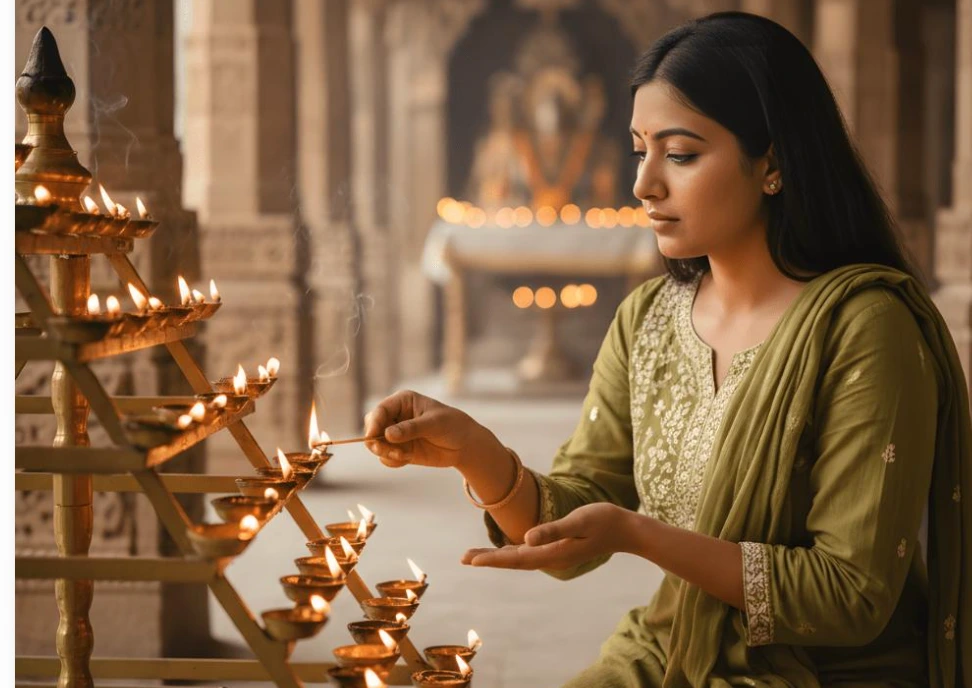
This concern is not limited to what I witnessed at the temple.
There have also been tragic news reports of women losing their lives after their clothes caught fire while lighting Diyas during Kartika Masam.
Such incidents are heartbreaking reminders that even a religious practice performed with faith requires awareness and care.
No ritual should become a reason to overlook basic safety.
Our devotion should make us more responsible, not less conscious of our surroundings.
What Is the Real Purpose of Devotion?
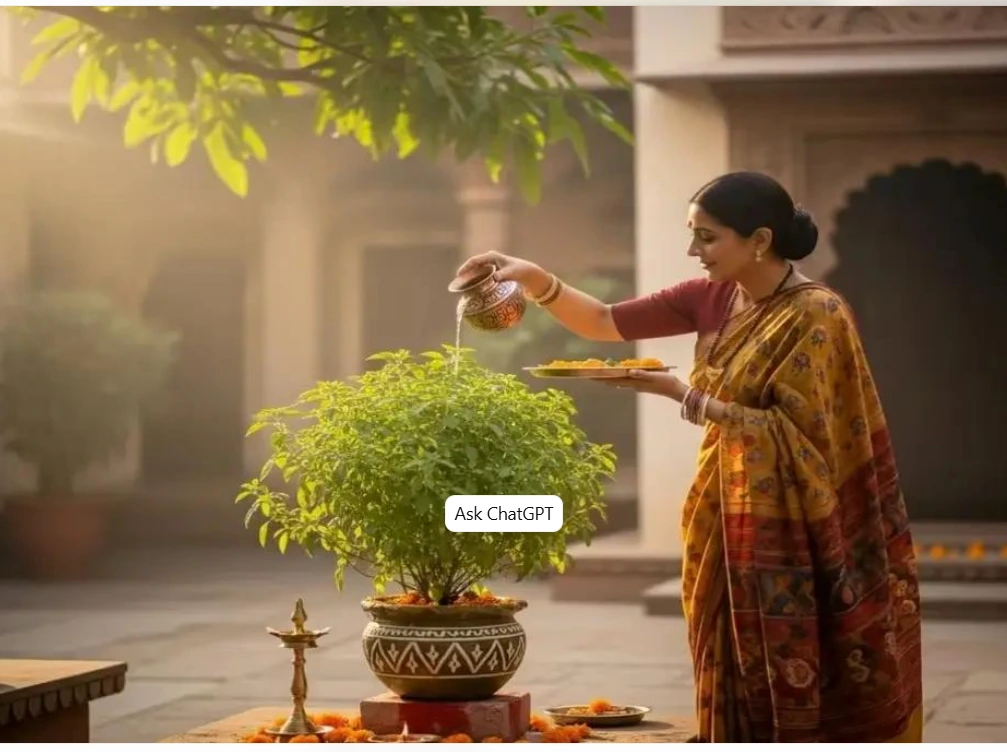
I am not against lighting Diyas. I am not questioning our traditions, our elders or anyone's faith.
In fact, I deeply respect the spiritual significance of Kartika Masam.
But I believe that we need to look beyond the act itself.
If we worship Tulasi Mata, shouldn't protecting the Tulasi plant be equally important?
If we consider the Peepal tree sacred, shouldn't preserving it be a natural expression of our reverence?
If we worship Lord Shiva, shouldn't our devotion inspire us to become more compassionate, mindful and respectful towards all forms of life?
We often speak about earning Punyam through religious practices. But perhaps we should also reflect on whether our actions are creating harm in the process.
What is the value of performing a ritual if we fail to practice the very compassion and awareness that spirituality should teach us?
Devotion is not merely about what we offer to God. It is also about how we treat everything that we believe is created by God.
Let Our Devotion Reflect in Our Actions
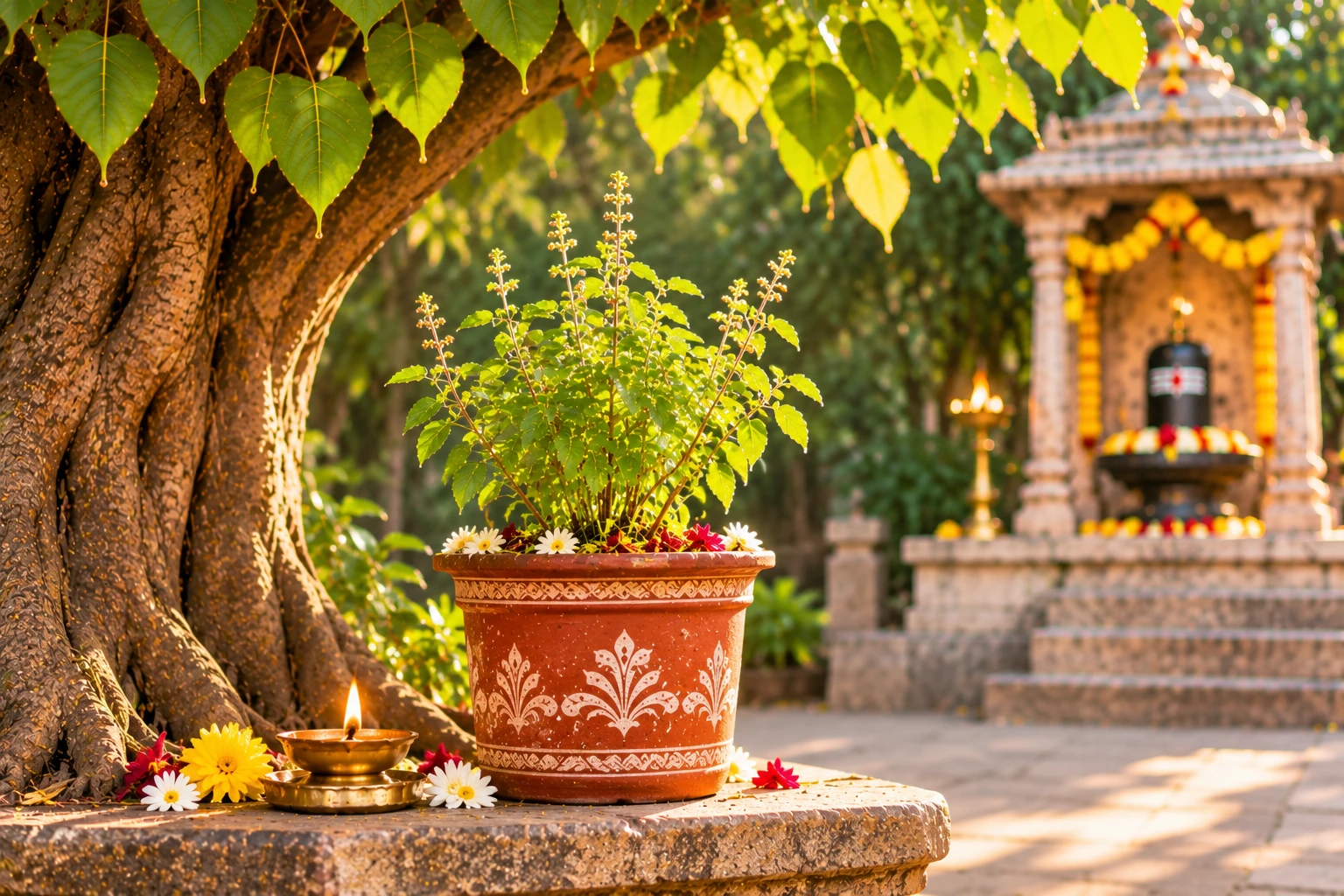
I believe traditions become meaningful when we understand their essence and practice them with awareness.
We don't need to abandon rituals. We need to bring understanding into them.
We don't need hundreds of lamps to demonstrate our devotion. We need the mindfulness to ensure that even one lamp does not cause harm.
And perhaps the greatest offering we can make is not always something we place before God, but the care we show towards everything we believe is divine.
This Kartika Masam, I hope we look beyond the number of Diyas we light and reflect on the intentions and actions behind them.
Let us not be so occupied with lighting lamps that we forget to protect the very Divine presence in whose honor we light them.
A lamp should illuminate our surroundings, but true devotion should illuminate our understanding.
Perhaps that is a tradition worth carrying forward to the generations after us.